
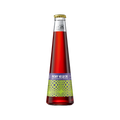


Missing Thorn - Sparkling Rosé Barbera
$46.35
Sale price
$46.35
Regular price
Discover more from Missing Thorn
Missing Thorn - Sparkling Rosé Barbera
$46.35
Sale price
$46.35
Regular price
Free Shipping Over $150 CAD
Canada-wide delivery with cold protection
750mL | Barbera | California
Bright, lively, and elegantly effervescent, Missing Thorn’s Sparkling Rosé captures the charm of sparkling Barbera without the alcohol. Ruby-red in hue with glimmers of pink, this non-alcoholic sparkling wine offers a festive and sophisticated sipping experience, perfect for celebrations, brunch, or anytime you want a touch of sparkle.
Ideal For
Perfect for celebrations, aperitifs, brunch, or as a food-friendly sparkling option. Pairs beautifully with seafood, fresh salads, light desserts, or can be served as a sophisticated base for sparkling mocktails. Its vibrant bubbles and fruit-forward profile make it a versatile choice for any festive occasion.
Origin: Sierra Foothills, California
Varietal: 100% Barbera
PAIRING ESSENTIAL
Frequently Paired With
Add complementary craft favorites to your order
TASTING NOTES
PAIRS WITH

Product Specifications
Søbr Curation Standard| Alcohol by Volume (ABV) | <0.5% ABV (Non-Alcoholic) |
|---|---|
| Volume / Serving Size | 100ml |
| Calories | 34 cals |
| Sugar Content | 4g sugar |
| Brand / Producer | Missing Thorn |
| Ingredients | Dealcoholized carbonated rosé wine, water, grape juice concentrate, gum arabic, natural flavours, sulfur dioxide |
Frequently Asked Questions — Missing Thorn - Sparkling Rosé Barbera
Expert answers to common questions about non-alcoholic options, ingredients, and delivery across Canada.
How should I store premium de-alcoholized wine after opening?
Because alcohol acts as a preservative, de-alcoholized wines (like Benjamin Bridge or Dr. Zenzen) should be tightly sealed, refrigerated immediately after opening, and consumed within 3–5 days for optimal flavor.
What are 'Proxies' or 'Alternative' wines?
Proxies are sophisticated, non-alcoholic beverages crafted using tea, juices, spices, bitters, and vinegar to mimic the complexity, tannins, and acidity of wine—without relying on fermentation.
What are the benefits of joining the Søbr Wine Club?
Members receive exclusive access to new releases, monthly curated selections, and special member pricing. It is the easiest way to explore our curated selection of non-alcoholic wines without the guesswork.
What is the difference between '0.0% ABV' and 'Non-Alcoholic?
Products labeled 0.0% ABV contain absolutely no alcohol. Some products labeled 'non-alcoholic' may contain trace amounts of alcohol (less than 0.5% ABV), which is similar to the levels found in ripe fruit or fruit juice.
Is 0.5% really alcohol-free?
In Canada, any product containing less than 1.1% alcohol-by-volume (ABV) is considered alcohol-free because our body metabolizes that amount of alcohol faster than we can feel any effect.
More commonly world-wide, any product containing 0.5% ABV or less is considered alcohol-free.
Fun fact: many foods have some level of ABV due to their natural fermentation. Kombucha, breads made with yeast, overripe bananas, fruit juice, yogurt, soy sauces & vinegars can range from 0.2% ABV up to 1.2% ABV.


